



Bucket printing machines are designed to print patterns, logos, or messages on plastic, metal, or glass buckets. These machines have become indispensable in industries such as food packaging, paint, and chemicals due to their ability to create complex, durable, and customizable designs. Beyond their functionality for storage and transport, printed buckets serve as a marketing tool, help meet legal requirements, and reinforce branding. They ensure accuracy and uniformity, which are critical for maintaining a consistent brand image across products. Whether it’s a single-colored logo or intricate multi-colored graphics, these prints play a crucial role in product recognition in the market.
With advancements in automation and printing technologies, bucket printing has evolved significantly. Earlier manual methods have been replaced by fully automatic systems that meet the demands of high-volume production while maintaining quality. Automation ensures consistency, reduces errors, and enables machines to operate 24/7 to meet tight deadlines. For companies, these systems help reduce labor costs and dependency. So, it can ensure high-quality outputs, making them a smart investment in today’s competitive market.
Some of the bucket-printing machines are as follows:
Bucket Screen Printing Machine
What is screen printing?
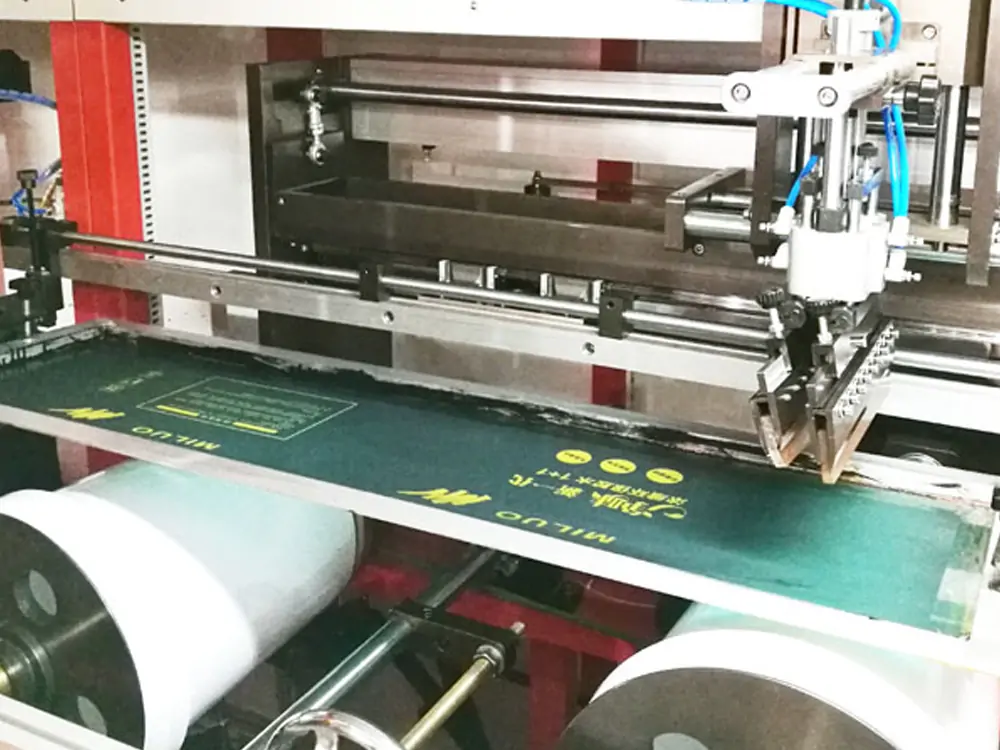
Screen printing, or serigraphy, is an old printing method. The process pushes ink through a screen or stencil onto the surface. It is instrumental in creating prints that are vibrant and highly durable. The process involves making a stencil (or screen) for each color in the design. Then, we drive the ink through the screen onto the bucket’s surface.
The type of mesh (polyester or nylon) and stencil accuracy determine print sharpness. Screen printing is ideal for designs with bold colors and simple shapes.
Uses of Bucket Screen Printing Machines
Used to make printed plastic and metal buckets for paint, chemicals, and construction.
Thanks to extremely durable, opaque inks, it excels at creating multicolor prints or logos.
Advantages
Cost-effective: Large-scale manufacturing will becomes highly cost-effective once the screens are prepared.
Durability:
The prints resist fading, scratching, or deteriorating in harsh conditions, delivering a finish that lasts for years.
Heat Transfer Printing Machines for Buckets
Heat Transfer Printing Overview
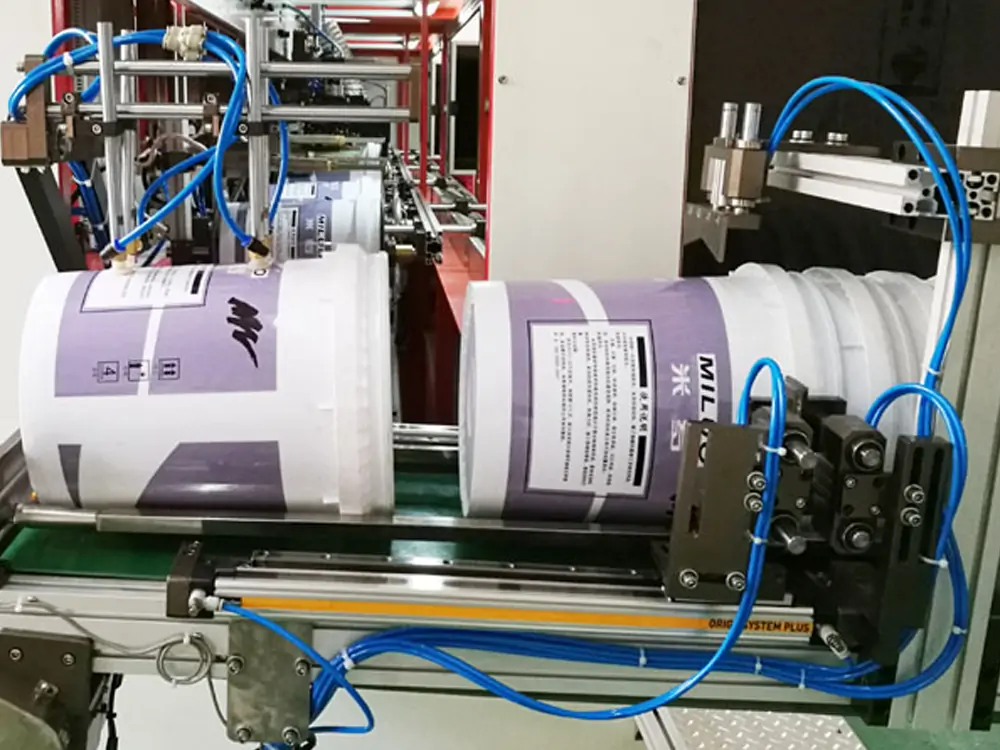
Heat transfer printing uses a design printed on a thin film or paper. It applies heat and pressure to transfer the design to the bucket’s surface. It delivers photorealistic, full-color graphics. So, it suits designs with many details.
Applications
Common in industries that require precise, high-definition graphics. This includes consumer product branding. Heat transfer printing is effective on both plastic and metal surfaces.
Advantages
- Higher resolution: Offers better print resolution and hue quality than conventional printing methods.
- Versatility: It works with all bucket shapes and curved surfaces.
Other Advanced Bucket Printing Technologies
- Pad Printing Machines: Ideal for printing on curves and rough surfaces. They likely suit bucket-shaped products.
- Flexographic Printing Machines: They are famous for high-volume, multicolor jobs, especially in packaging.
- Direct-to-Object (DTO) printers: A new technology that sprays UV ink directly onto the object and cures instantly. It allows for much faster, more versatile printing.
Significant Advantages of Bucket Printing Machines
Automated bucket-printing machines aim to operate faster than manual methods. They cut production time dramatically. It also helps you work 24/7 to finish more quickly, with slight manual input. More connectivity to assembly lines boosts productivity. So, the bucket-printing machines are suitable for high-volume production.
Improved print quality
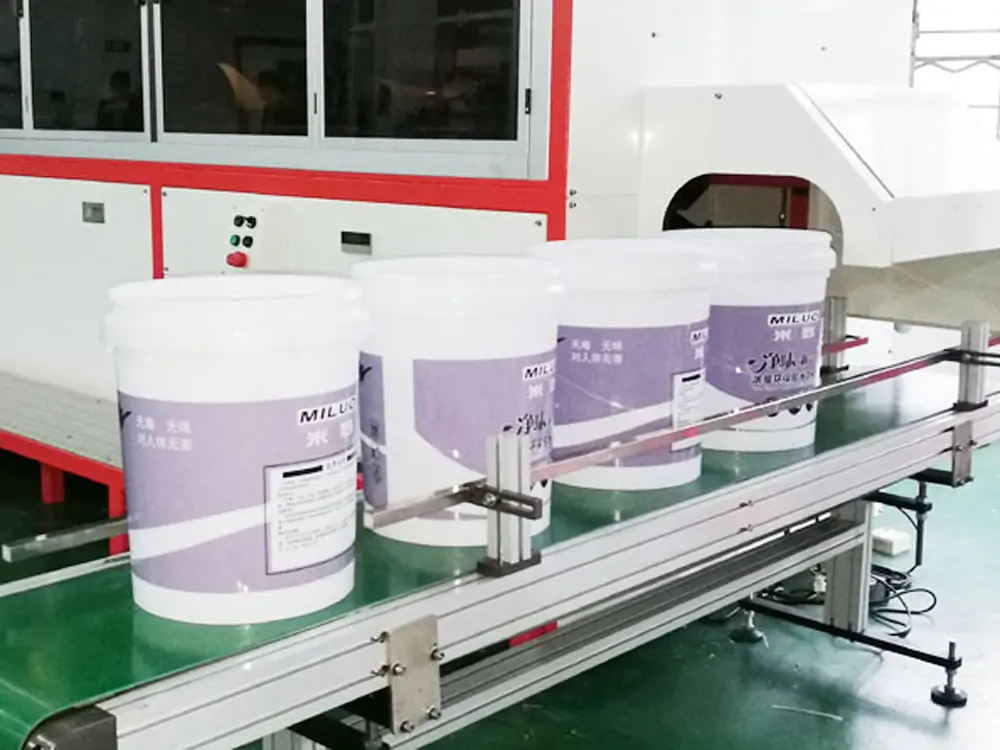
Today’s bucket printers use new tech for high-res prints. With its consistent color and brightness, the product’s value and appeal grew in competitive markets. This enhanced print quality directly relates to better brand identification and customer trust.
Cost-Effectiveness
The company could reduce outsourcing costs by investing in bucket-printing machines. Centralized printing can help organizations. It can save on third-party costs and improve control over the print timetable. They also help reduce waste and employment expenses, making it a worthwhile investment in the long run.
Targets of Customization and Branding
Bucket printing machines let owners easily swap designs. This suits different markets or seasons. These machines let brands print custom packaging for logos, labels, and graphics. Customization helps to raise brand awareness. It also boosts customer loyalty.
Uses of Bucket Printing Machines
Specialized Uses
Paint and Chemical Industry:
Buckets for storing paints, oils, or chemicals must be labeled for safety.
Food and Beverage Industry:
Printed buckets are for food packaging and labeling. They also improve the buckets’ shelf appeal.
Cosmetic and Personal Care Industry:
Custom-printed buckets help brands make their products stand out on the shelf, making them unique.
Industrial and Household Products:
Highly durable printed buckets are in high demand in construction, gardening, and cleaning.
Materials and Surfaces
- Plastic Buckets:
Screen and heat transfer printing are acceptable for used plastic buckets. They are typically made from HDPE or PP. - Metal Buckets:
Screens and stencils need extra skills for printing on galvanized steel, aluminum, and other tough metals. - Glass and Ceramic Containers:
Although not as widespread as the previous types, these materials require complex printing patterns. With so many technologies available, how do you choose the right one?
Factors to Consider
- Material Type: Check if the machine can print on your bucket’s material, such as plastic or metal.
- Volume Requirements: A high-speed machine is needed for high-volume work or a small solution for unique products.
- Budget: Compare the installation and long-term costs of the equipment to find the best solution.
Comparing Technologies
Screen Printing vs. Heat Transfer Printing:
Screen printing is best for single-color prints on many products. Heat transfer printing is ideal for detailed designs with many colors.
Choosing Based on Application Needs:
Decide based on the product’s surface, the design’s complexity, and the ability to make it.
Conclusion
Summary of Key Points
Incredible packaging firms need bucket printing machines. They want high-quality, custom packaging. They help companies by turning investments into profits. Their low cost, high productivity, and usefulness drive this.
Why do you need a Bucket Printing Machine?
The correct bucket printing machine is cost-effective and adaptable. It supports company branding, giving good value for the money spent.
Final Thoughts
Choose a bucket printing tech that meets your needs and helps your business grow.
If you have any questions, please get in touch with us. Hire our pros. Meet our machines. Our prices are low and based on your needs.
